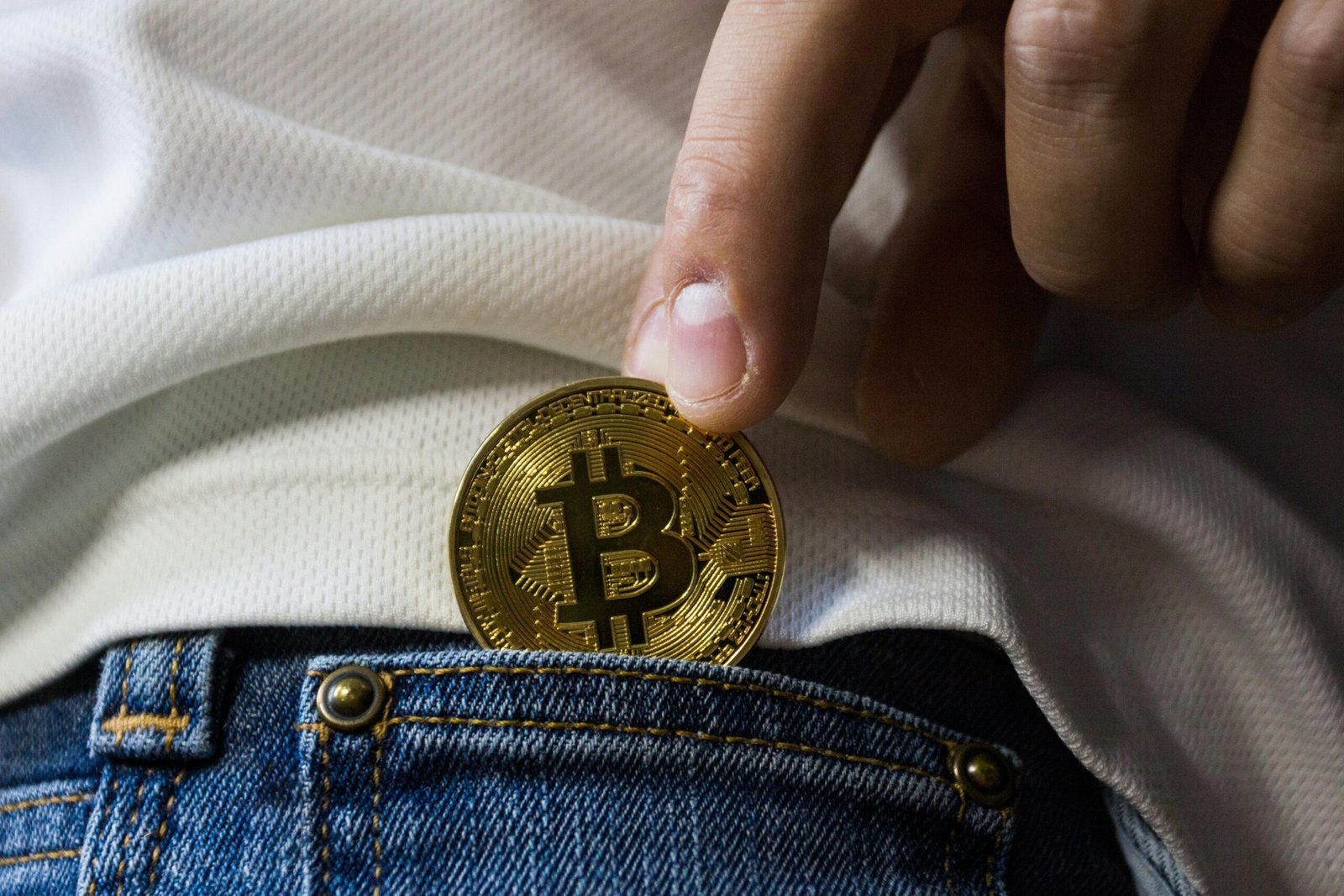


How a Weak Dollar Could Drive the Next Wave of Bitcoin and Crypto Demand
If you’re holding Bitcoin and wondering why it often strengthens when the U.S. dollar weakens, this relationship matters more now than it has in years.
For most of the past decade, the dollar has quietly shaped global markets from behind the scenes.
When the dollar strengthens, liquidity tightens.
When the dollar weakens, pressure builds elsewhere in the system.
But today, dollar weakness is no longer just a macro backdrop.
It’s becoming a direct driver of Bitcoin and crypto demand — not through hype, but through capital behavior.
The Dollar Isn’t Just a Currency — It’s a Global Pressure System
The U.S. dollar sits at the center of the global financial system.
- Global trade is priced in dollars
- Sovereign and corporate debt is issued in dollars
- Liquidity flows through dollar-based channels
When the dollar is strong, capital concentrates.
When the dollar weakens, capital looks outward.
Historically, that meant gold, commodities, or emerging markets.
Today, Bitcoin has entered that rotation — not as a trade, but as a monetary alternative.
Why Dollar Weakness Changes Investor Behavior
Dollar weakness typically reflects a mix of:
- Expanding fiscal deficits
- Rising debt issuance
- Falling real yields
- Expectations of monetary easing
In practical terms, it signals more dollars chasing the same value.
This doesn’t cause panic overnight.
It causes gradual repositioning.
As confidence in fiat erodes slowly, capital starts reducing exposure to assets fully dependent on currency stability. This is where the relationship between a weak dollar and Bitcoin becomes visible.
When the U.S. dollar weakens, Bitcoin demand tends to increase — not immediately, but structurally.
Bitcoin’s Role Is Shifting — Quietly but Meaningfully
In earlier cycles, Bitcoin traded like a high-beta risk asset.
Liquidity tightened, Bitcoin sold off.
Liquidity expanded, Bitcoin surged.
That dynamic is evolving.
Across multiple market cycles, Bitcoin has consistently reacted to shifts in dollar liquidity before narratives adjust. It’s increasingly viewed as:
- Non-sovereign
- Politically neutral
- Resistant to monetary dilution
As dollar weakness becomes more persistent, Bitcoin benefits not from speculation, but from capital seeking neutrality.
For the first time, Bitcoin is being positioned not just as an investment — but as a monetary hedge.
How This Translates Into Broader Crypto Demand
Bitcoin is the entry point.
When Bitcoin absorbs long-term demand driven by macro conditions, it creates:
- Liquidity inflows
- Improved risk tolerance
- Selective capital rotation across crypto markets
This does not lift everything equally.
Dollar weakness doesn’t fuel indiscriminate speculation.
It fuels measured crypto demand, particularly for assets tied to:
- Infrastructure
- Settlement layers
- Financial rails
Bitcoin leads. Crypto follows — selectively.
This Isn’t About a Dollar Collapse
Precision matters here.
A weak dollar does not imply:
- Fiat collapse
- Hyperinflation
- System failure
It signals relative stress, not an ending.
As fiscal pressure rises and real yields compress, dollar weakness becomes a recurring condition rather than a temporary event. Capital adapts long before headlines confirm the shift.
Bitcoin doesn’t require crisis to gain relevance.
It only requires persistent pressure.
The Feedback Loop Forming Beneath the Surface
So where does capital go when confidence in fiat slowly erodes?
A pattern begins to form:
- Dollar weakness improves global liquidity
- Liquidity seeks non-dilutive stores of value
- Bitcoin absorbs long-term positioning
- Crypto liquidity rebuilds selectively
This process is slow and uneven.
It rarely feels obvious in real time.
But by the time the narrative becomes clear, positioning has already changed.
Why Bitcoin Moves Before the Story Changes
Markets react to expectations, not confirmations.
Bitcoin responds to:
- Yield dynamics
- Liquidity conditions
- Currency pressure
It doesn’t wait for official acknowledgment of dollar weakness. That’s why Bitcoin often moves ahead of macro headlines, not after them.
By the time the story is widely accepted, demand is no longer early.
What This Means Going Forward
The next wave of Bitcoin and crypto demand won’t be driven by retail hype or speculative cycles.
It will be shaped by:
- Currency pressure
- Capital preservation
- Structural allocation decisions
A weak dollar doesn’t guarantee upside.
But it reshapes incentives — and Bitcoin sits at the center of that shift.
Final Thought
Bitcoin doesn’t need the dollar to fail.
It only needs the system to show strain — gradually, persistently, and quietly.
When the dollar weakens, that strain becomes visible.
At first, only to those watching closely.
Later, to everyone else.
Related readings:
How Bitcoin Reacts to Global Risk Events (And Why It Often Moves First)
How Money Supply (M2) and Liquidity Cycles Drive Bitcoin’s Long-Term Trends
Why Bitcoin Is Being Treated Less Like a Trade and More Like Insurance
Stay Connected with Cryptolaya
For more crypto news, market insights, and in-depth analysis, follow Cryptolaya on social media and stay updated with the latest trends shaping the crypto market.
Follow Cryptolaya:
• Facebook
• Instagram
• X (Twitter)