


BoJ Rate Hike to 0.75% Could Shake Global Markets This Week
Global financial markets are on alert as the Bank of Japan (BoJ) moves closer to a historic shift in monetary policy. After decades of ultra-loose settings, reports suggest the central bank may raise its benchmark interest rate to 0.75%, a move that could send shockwaves far beyond Japan.
If confirmed, this would mark one of the most aggressive tightening steps by the BoJ in modern history — and investors worldwide are watching closely.
Why a BoJ Rate Hike Matters More Than It Seems
For years, Japan has been the outlier among major economies. While the U.S. Federal Reserve, European Central Bank, and others raised rates aggressively to fight inflation, the BoJ maintained near-zero or negative rates to support growth.
That policy made Japan:
- A major source of cheap global liquidity
- A funding hub for the yen carry trade
- A stabilizing force for global bond markets
A move to 0.75% signals that this era may be ending.
Even a modest increase by global standards could have outsized consequences because markets are deeply positioned around Japan’s long-standing easy-money policy.
The Yen Carry Trade at Risk
One of the biggest areas of concern is the yen carry trade.
For decades, investors have:
- Borrowed yen at extremely low interest rates
- Converted it into dollars or other currencies
- Invested in higher-yielding assets like U.S. bonds, equities, and emerging markets
If Japanese rates rise meaningfully:
- Borrowing yen becomes more expensive
- Traders may unwind positions quickly
- This can trigger forced selling across global markets
Historically, sharp moves in the yen have coincided with periods of market volatility, especially in stocks and risk assets.
Global Bonds Could Feel the First Shock
Japan is one of the largest holders of foreign government bonds, particularly U.S. Treasuries.
A BoJ rate hike could:
- Encourage Japanese investors to repatriate capital
- Reduce demand for U.S. and European bonds
- Push global yields higher
Rising yields, especially in the U.S., can tighten financial conditions worldwide and pressure equity valuations.
This is why bond traders are watching the BoJ decision as closely as any Federal Reserve meeting.
Stock Markets Face a Volatility Test
Equity markets have benefited for years from:
- Low global interest rates
- Abundant liquidity
- Cheap leverage
A policy shift from Japan threatens all three.
Potential impacts include:
- Higher volatility in Asian markets
- Spillover pressure on U.S. and European stocks
- Increased risk-off sentiment if liquidity tightens
Tech stocks and highly leveraged sectors may be especially sensitive, as they rely heavily on easy financial conditions.
What This Means for Crypto and Risk Assets
Crypto markets are not immune to global macro shifts.
If a BoJ rate hike leads to:
- Stronger yen
- Reduced global liquidity
- Higher bond yields
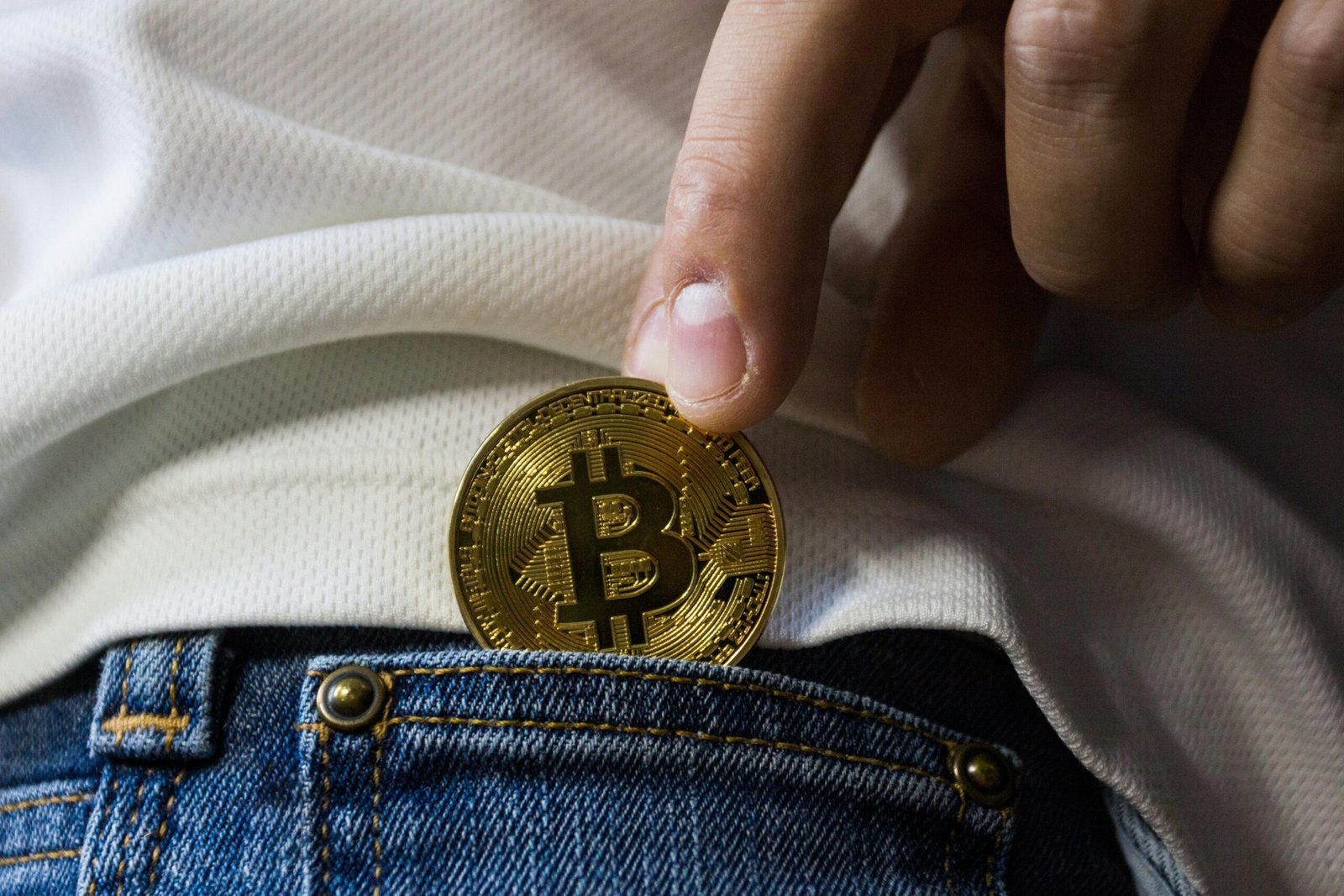
Risk assets, including Bitcoin and altcoins, could see short-term volatility.
However, some analysts argue that any market stress caused by traditional finance tightening could eventually reinforce Bitcoin’s role as a hedge against central bank policy risk.
The key factor will be liquidity. If global liquidity tightens sharply, crypto could face pressure. If markets stabilize quickly, the impact may be temporary.
Why This Week Is Critical
Timing is crucial.
Markets are already sensitive due to:
- Slowing global growth
- Ongoing geopolitical tensions
- Shifting expectations around U.S. rate cuts
A surprise or strongly worded BoJ move could act as a volatility trigger, especially if investors feel they are underprepared.
Even if the rate hike is well-telegraphed, the language and forward guidance from the BoJ will matter just as much as the number itself.
A Symbolic End to an Era
Beyond immediate market reactions, a 0.75% rate signals something bigger.
It suggests:
- Japan is more confident about inflation durability
- Wage growth may be strengthening
- The global era of ultra-loose monetary policy is truly ending
For investors, this reinforces a new reality: central banks are no longer moving in one direction together. Diverging policies mean higher uncertainty — and more frequent volatility.
What Investors Are Watching Closely
In the days ahead, markets will focus on:
- The yen’s reaction
- Japanese bond yields
- U.S. Treasury movements
- Equity market volatility
- Risk sentiment across crypto and commodities
Any sudden or disorderly move could force rapid portfolio adjustments.
Final Thoughts: A Small Number With Big Consequences
A BoJ rate hike to 0.75% may look small on paper, but in the context of Japan’s monetary history, it is a major event.
Because Japan sits at the heart of global liquidity flows, even incremental tightening has the potential to ripple across:
- Currencies
- Bonds
- Stocks
- Crypto markets
This week’s decision could become one of those moments markets look back on as a turning point — not because of the size of the hike, but because of what it represents.
For investors, the message is clear: Japan matters again, and global markets may soon feel it.
You may also like this articles,
Fed injects 16 billion into markets,liquidity is flowing again
Bank of japan ETF exit bitcoin liquidity
bitcoin whales accumulate 2billion in btc ahead of trump speech
Stay Connected with Cryptolaya
Enjoyed this article? For daily crypto updates, market insights, crypto news and crypto blogs.make sure to follow us on social media. Join our growing community and never miss the latest trends!
Follow Cryptolaya on:
• facebook
Let’s grow and learn crypto together!

Pingback: Japan Tightens Policy as Fed Injects Liquidity — Crypto Market Liquidity in Focus