
White House Confirms Trump Supports Removing Taxes on Bitcoin and Crypto Transactions
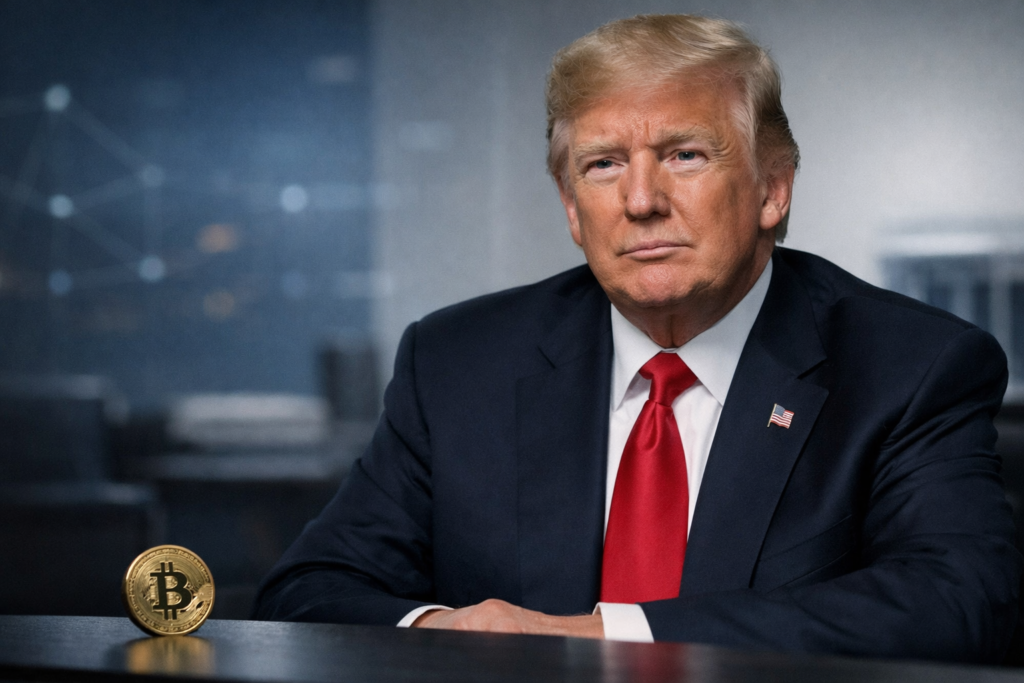
BULLISH: 🇺🇸 The White House has confirmed that President Donald Trump supports removing taxes on certain Bitcoin and crypto transactions, signaling a potential shift in U.S. crypto tax policy toward broader adoption and everyday usability.
According to officials familiar with the administration’s position, the proposal focuses on eliminating tax burdens on small Bitcoin and crypto transactions, addressing one of the most persistent barriers preventing digital assets from being used as a practical medium of exchange.
Rather than targeting investment gains broadly, the initiative centers on making routine crypto payments — such as peer-to-peer transfers and everyday purchases — simpler and less punitive from a tax perspective.
What the Crypto Tax Proposal Actually Means
At the core of the proposal is a de minimis tax exemption for Bitcoin and cryptocurrency transactions. Under such a framework, small-value crypto payments would no longer trigger capital gains reporting requirements.
Currently, even minor Bitcoin transactions can create taxable events, forcing users to track cost basis and gains for everyday activity. Removing this friction would mark a meaningful shift in how crypto is treated under U.S. tax law — closer to a transactional asset rather than a purely speculative one.
Importantly, this does not imply the elimination of all crypto taxes. Larger investment gains and trading activity would still remain subject to taxation. The focus is squarely on practical use cases, not tax avoidance.
Why This Matters Specifically for Bitcoin
Bitcoin stands to benefit most directly from such a policy change.
As the most widely recognized and liquid digital asset, Bitcoin is often positioned as both a store of value and a potential payment network. However, unfavorable tax treatment has historically limited its real-world transactional use.
Removing taxes on small Bitcoin transactions could:
- Encourage everyday Bitcoin payments
- Improve merchant adoption
- Increase on-chain activity
- Strengthen Bitcoin’s role as digital monetary infrastructure
In effect, this would support Bitcoin’s gradual transition from purely an investment asset to a functional financial tool, without undermining its long-term store-of-value narrative.
A Broader Shift in U.S. Crypto Policy Tone
This development aligns with a broader trend of the Trump administration adopting a more crypto-friendly posture. Recent discussions around digital assets have increasingly emphasized innovation, competitiveness, and regulatory clarity, rather than restriction.
While the proposal still requires legislative approval and faces political hurdles, the confirmation of presidential support alone sends a strong signal. Markets often respond not just to enacted policy, but to directional intent — and this intent appears to favor reducing friction rather than increasing it.
Legislative Reality and What Comes Next
It’s important to temper optimism with realism. Any changes to crypto tax law would require congressional approval, and timelines remain uncertain. Opposition from traditional financial stakeholders and fiscal policymakers is possible.
However, even at this stage, the proposal represents a notable evolution in how Bitcoin and crypto are being discussed at the highest levels of government — less as a regulatory problem, and more as emerging financial infrastructure.
The Bigger Picture for Crypto Adoption
If implemented, removing taxes on small Bitcoin and crypto transactions could:
- Accelerate mainstream adoption
- Encourage payment innovation
- Reduce compliance complexity for users
- Improve the U.S. position in global digital asset competition
For now, this is a policy signal, not finalized law. But in crypto markets, signals matter — especially when they suggest a future where using Bitcoin feels less like navigating tax friction and more like using money.
This potential tax shift also aligns with broader regulatory signals emerging from Washington. Recently, the U.S. Securities and Exchange Commission removed crypto from its 2026 priority risk list, suggesting a changing regulatory posture toward digital assets. Together, these developments point to a gradual transition in how U.S. policymakers are approaching Bitcoin and crypto — moving away from heightened enforcement focus and toward normalization within the financial system.
Stay Connected with Cryptolaya
For more crypto news, market insights, and in-depth analysis, follow Cryptolaya on social media and stay updated with the latest trends shaping the crypto market.
Follow Cryptolaya:
• Facebook
• Instagram
• X (Twitter)