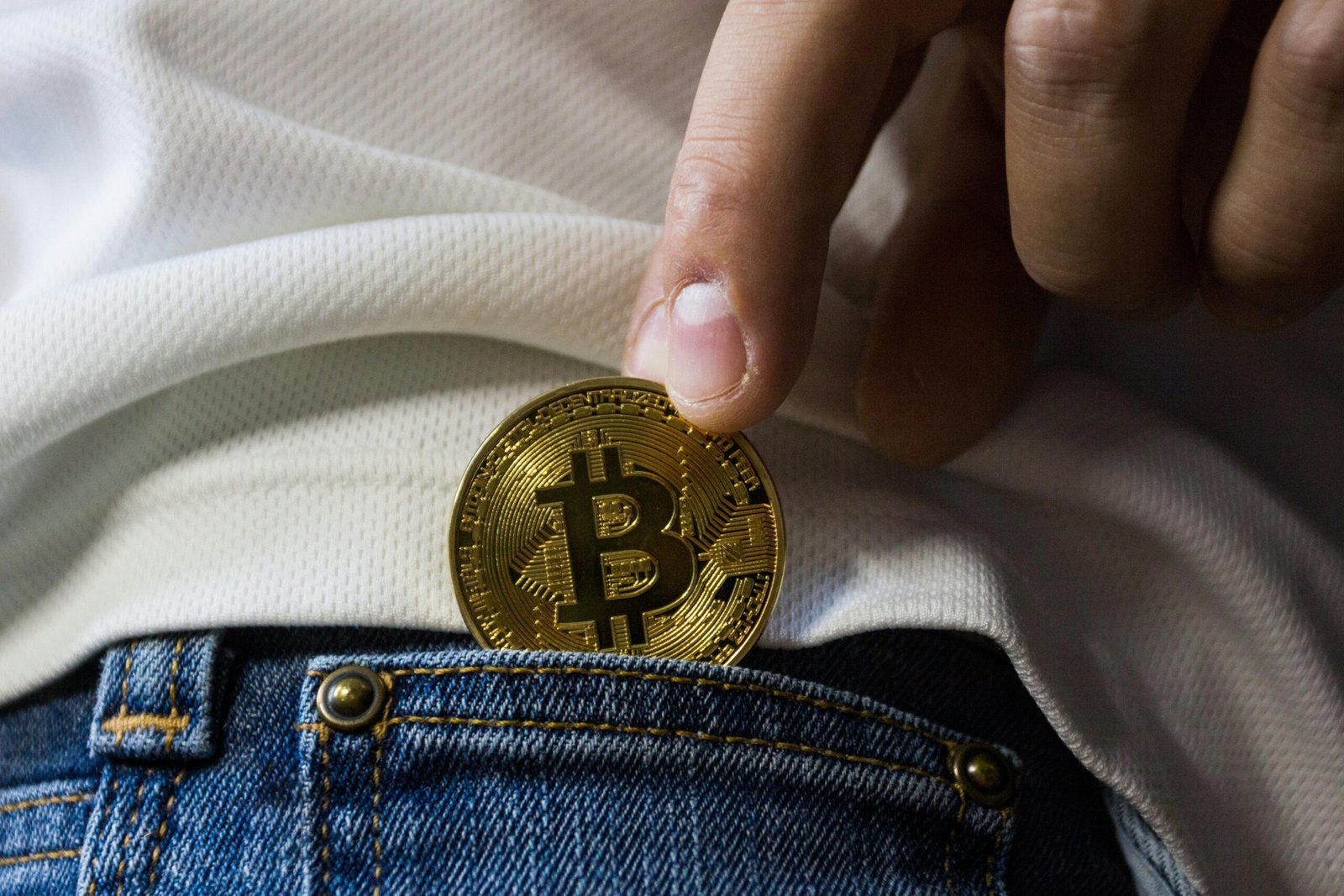


Why Liquidity Matters More Than Interest Rates for Bitcoin
When Bitcoin moves sharply, the first explanation people usually reach for is interest rates.
Rate hikes are bearish. Rate cuts are bullish. Simple.
But real market behavior tells a different story.
Some of Bitcoin’s strongest rallies have happened during rate hikes, while major sell-offs have occurred even when rates stayed unchanged. The missing piece in many explanations is Bitcoin liquidity — the amount of money flowing through the global financial system.
Interest rates send signals.
Liquidity provides fuel.
And Bitcoin reacts most strongly to fuel conditions.
What Liquidity Really Means
Liquidity isn’t just about how much money exists. It’s about how easily capital moves through the financial system.
In practice, liquidity is shaped by:
- Central bank balance sheets
- Money supply growth or contraction
- Bank lending and credit availability
- Government spending and debt issuance
- Global dollar availability
When liquidity is abundant, investors are more willing to take risk. Capital flows into equities, tech, and crypto.
When liquidity tightens, markets turn defensive — even if interest rates remain unchanged.
This is why Bitcoin often responds to liquidity conditions before it reacts to policy headlines.
Why Interest Rates Alone Don’t Explain Bitcoin Moves
Interest rates are a signal, not the mechanism.
A rate hike doesn’t automatically remove money from markets. What matters more is:
- Whether liquidity is expanding or contracting elsewhere
- Whether markets expect tightening to continue or reverse
- Whether financial stress increases the odds of future policy support
There have been periods where rates rose, yet liquidity still expanded through:
- Balance sheet growth
- Emergency lending facilities
- Global stimulus outside the U.S.
During those phases, Bitcoin rallied — not because rates were favorable, but because liquidity quietly improved.
Liquidity vs Interest Rates: What Bitcoin Actually Responds To
Interest rates describe policy intent.
Liquidity reflects market reality.
- Rates influence expectations
- Liquidity determines risk appetite
- Bitcoin responds to changing financial conditions first
This is why Bitcoin often moves before rate cuts, before easing cycles, and before broader risk assets catch on. It trades the direction of liquidity, not the timing of announcements.
How Liquidity Finds Its Way Into Bitcoin
Bitcoin sits at the far end of the risk spectrum. It doesn’t require perfect conditions — only improving marginal liquidity.
Liquidity reaches Bitcoin through:
- Institutional re-risking when conditions stabilize
- A weaker dollar driven by global liquidity growth
- Excess capital searching for asymmetric returns
- Early-cycle positioning ahead of traditional markets
This explains why Bitcoin frequently leads stocks rather than follows them.
Liquidity Cycles and Bitcoin’s Biggest Rallies
Historically, Bitcoin’s major uptrends have aligned with:
- Liquidity expansion phases
- Stabilization after aggressive tightening
- Periods when markets anticipate policy support
Bitcoin doesn’t wait for confirmation.
It prices in what’s coming next, not what already happened.
Viewed through this lens, many “confusing” price moves start to make sense.
What to Watch Instead of Just Interest Rates
To understand Bitcoin’s macro behavior, focus less on single rate decisions and more on broader liquidity signals, such as:
- Central bank balance sheet trends
- Money supply growth or contraction
- Treasury issuance and funding pressures
- Credit stress and banking conditions
- Global dollar liquidity
These factors shape Bitcoin’s trading environment far more consistently than rate headlines alone.
How Liquidity Connects to CPI, Jobs, and the Fed
Economic data doesn’t move Bitcoin because of the numbers themselves.
It moves markets because of what that data implies for future liquidity and policy direction.
A weak jobs report can be bullish if it increases expectations of easing.
A hot inflation print can still be bullish if liquidity remains supportive elsewhere.
Many of Bitcoin’s reactions to CPI releases, employment data, and Federal Reserve decisions only make sense when viewed through the liquidity lens. This broader framework is explored in depth in our pillar guide, “Why Bitcoin Reacts to Macroeconomic Data: Jobs, Inflation, Rates, and the Fed Explained,” which connects economic releases directly to Bitcoin’s price behavior.
The Bottom Line: Liquidity Is the Invisible Driver
Interest rates are visible.
Liquidity is subtle.
But Bitcoin responds most strongly to the direction of financial conditions, not just policy headlines. When liquidity expands — even quietly — Bitcoin tends to move. When liquidity contracts, risk appetite fades.
Understanding this dynamic doesn’t just explain past price action.
It helps make sense of future market reactions in real time.
If interest rates are the headlines, liquidity is the story Bitcoin is actually trading.
Related readings:
How Money Supply (M2) and Liquidity Cycles Drive Bitcoin’s Long-Term Trends
Bitcoin and Global Liquidity Events: How Central Bank Actions Shape BTC
Stay Connected with Cryptolaya
For more crypto news, market insights, and in-depth analysis, follow Cryptolaya on social media and stay updated with the latest trends shaping the crypto market.
Follow Cryptolaya:
• Facebook
• Instagram
• X (Twitter)